I want specialist stroke therapy & rehabilitation now
I want specialist speech and language therapy now
I'm a trainer or therapist wanting to qualify in stroke rehabilitation
We are on Facebook

If you have upper limb difficulties, this is the video that will be your ally. Here, Dr Tom shows you how you, too, can get as excellent function back in your upper limb as he has. He shows you what he did to gain function and shows tools that he has built to help survivors train their reach, grasp and release. He then shows you exactly how to make or acquire what you need to do what many hundreds of people have used to significantly (and very quickly) to reduce spasticity and flaccidity – and to gain control again of your more-affected hand.
Available via online streaming means you don't have to wait to get started!
Get your copy today.
www.arni.co.#strokerecoveryo#StrokeRehabilitationa#neuroplasticityi#strokerehabr#exerciseafterstroket#strokeexerciser#strokerecoveryexercisesc#neurorehabr#neurorehabilitationa#exercisestroketroke

I would love to see the video
Interested
I would like to watch it too.
I’d love to see this!
Where do we watch this?
Where can I watch?
Where i can buy it?
Where i can watch that?
What video is it? Xx
Task-specific practice is the ‘number one’ way to retrain the brain. It means simply to train the action to be performed in a natural environment. For example, if you wanted to lift a mug and drink from it, you should take a mug and practice lifting and drinking from it, over and over again … and attempt to improve progressively and consistently.
www.arni.co.uk
#exerciseafterstroke #strokerehabilitation #strokeexercise #neurorehabilitation #neuroplasticity #neurorehab #strokerecoveryexercises #exercisestroke #strokerehab #strokerecovery
Just walking!
Do what you can. It’s amazing the amount of people who we see coming to training who have been left by therapists in an adequate state, yet who have simply regressed when left to their own devices. Many are wheeled about in wheelchairs when there is no reason for these devices to be used except to save time when getting from A to B. I understand completely how this happens, and have great sympathy. As we have said, life is to be lived. The problem is that paradoxically you will probably end up living less in real terms! The struggle to walk counts. Each step counts. (You know this already though.)
From The Successful Stroke Survivor book by Tom Balchin
www.arni.co.uk
#neurorehabilitation #strokerehab #exerciseafterstroke #strokeexercise #strokerecovery #strokerehabilitation #arnistrokerehab #strokerecoveryexercises #neuroplasticity #neurorehab
Do you, or someone you know, want to become an ARNI Trainer? Cohort 2 of 2026 ARNI Instructor training starts on September 19, 2026 (remote or hybrid).
APPLY NOW!
arni.co.uk/instructors/specialist-accreditation-for-therapists-and-instructors/
#exerciseafterstroke #StrokeRehabilitation #strokerehab #strokeexercise #neurorehab #neuroplasticity #arniinstructortraining
Often stroke survivors, even very young ones, report using a stick to highlight to the public that they are currently disabled and to ensure that they never fall over.
This is sound thinking. But in the case of one-sided weakness, less weight is placed through the affected leg as the stick is held in the good hand. Accordingly, ability to balance properly and walk again without a stick can suffer the longer you use one to help you get about. This is not a license for you to get rid of your stick immediately, if you are using one. But it is a suggestion, please, to try and minimise its use perhaps to situations outside of the house.
If you feel you need some help with your walking call us on 0203 053 0111 or email support@arni.uk.com
We have trainers throughout the country who can help you with your recovery.
www.arni.co.uk
I 'look' ok til I walk.....but people are so fast and I get scared of them or their very young kids running wild bumping into me. I'm trying to work on not needing my AFO or stick but I do take it out occasionally and actually feel safer as I know it gives a more obvious visual cue to people.... Folk really do not care or look ahead of their phone half the time, so I totally get the stick as a security and signpost ❤️🩹
Upper body movement is all about recovery of reaching (which you perform mainly with your shoulder and elbow joints) and grasping/releasing (which you do mainly with your wrist, finger and thumb joints).
Call us on 0203 053 0111 if you want to find out if there's a trainer near you who can help with your recovery; or email support@arni.uk.com
www.arni.c#neuroplasticityi#strokerecoveryo#StrokeRehabilitationa#ARNIstrokerehabr#arnistroket#neurorehabr#strokeexerciser#arnistrokecharityar#neuroplasticityi#strokerecoveryo#StrokeRehabilitationa#ARNIstrokerehabr#arnistroket#neurorehabr#strokeexerciser#arnistrokecharityar#arnistrokerehabarnistrokerehabrehab
I sent a message last week waiting for a response. Wondering about trainers in Glasgow?
I practice but my index finger and thumb don't always play ball.... They can straighten but they go into a huff when I reach out wider!
How can reaching happen when the anterior deltoid and the triceps are not receiving any message from the brain? Not to mention useless forearm extensors?
This training diary is an essential part of training: no serious stroke survivor who is training with an ARNI Associate can do without these. Order one to start with and you’ll see what we mean.
Designed by Tom Balchin, the way to fill these in is detailed in the Successful Stroke Survivor, and there is a full explanation at the front. Training and the recording of training are equally as important.
May i inquire how to be an ARNI associate am from Bacolod City, Negros,PHILIPPINES.
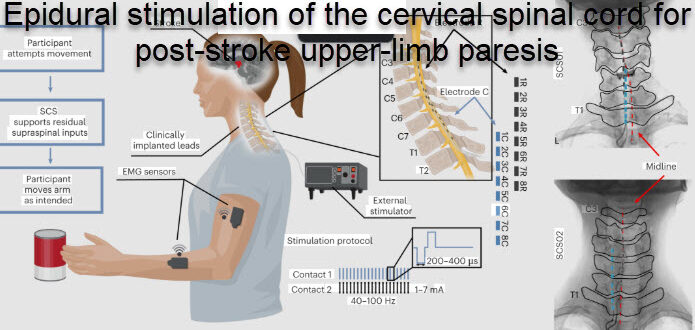
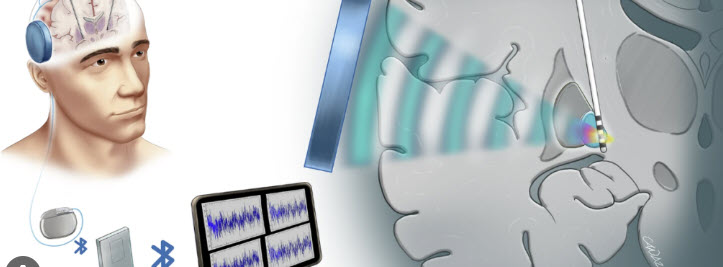
Electrodes in the neck, plus intensive rehab – could this be the best arm stroke recovery combination? 🧠🖐️ A University of Pittsburgh study is now enrolling participants to test pairing cervical epidural spinal cord stimulation with high-dose, high-intensity neurotherapy from MindMaze.
It builds on Pittsburgh's own research, published in Nature Medicine, which showed that stimulating the spinal cord at the neck can improve arm and hand movement in people with chronic stroke after only a few hours of training. But those gains were largely assistive – present while the stimulation was switched on, and gone when it wasn't.
So the new study asks the next question: how much lasting recovery is possible if you deliver that same stimulation alongside serious volumes of therapy? The logic rests on how the nervous system relearns movement; the stimulation creates activity in the spinal cord, your own intent to move pairs with it, and together they strengthen the weakened connections driving the muscles.
What the study wants to know is whether doing that thousands of times over, rather than for a few hours, produces change that lasts once the stimulator is off. Interesting eh? It should do...
MindMaze's platform combines FDA-cleared wearable sensors, motion tracking and AI-driven software to deliver that intensity of active, intent-driven practice without adding to the clinical staffing burden.
The study (NCT07153536) enrols 20 adults with chronic upper limb weakness; participants first complete six weeks of training, then have the stimulation system implanted and repeat the same training with stimulation active throughout, followed for up to six months to see what's retained.
As you know, (potential) recovery after stroke depends largely on (rehab) dosage and intensity. And this study puts that principle at the centre of the design. It's US-based and early at the moment, with only 20 participants, so we'll be watching what the six-month follo#ARNIstrokerehabw#strokerecoveryR#UpperLimbRehabS#spinalcordstimulationm#StrokeResearchordStimulation #StrokeResearch
It’s probably true to say that a lack of motivation is one of the more serious factors involved in unsuccessful rehabilitations. A gradual diminishing of motivation is also a really normal reaction to setbacks, and stroke is one SERIOUS set-back.
This is a great article on motivation for you.
www.arni.co.uk
#strokerehabilitation #strokerecovery #strokerecoveryexercises #exerciseafterstroke #strokerehab #neuroplasticity #strokeexercise #neurorehabilitation #arnistrokerehab
HOW TO GET MOTIVATED AFTER YOU’VE HAD A STROKE | ARNI
arni.uk.com
It’s probably true to say that a lack of motivation is one of the more serious factors involved in unsuccessful rehabilitations. A gradual diminishing of motivation is also a really normal reaction ...
Do bear in mind Arni has a range of videos available that will guide and assist you with your recovery. Available via online streaming means you can access them from anywhere.
Have you tried them? what did you think????
www.strokesolutions.co.uk/product-category/dvds-and-anytime-viewing/
#ARNIstrokerehab #StrokeRehabilitation #ARNIstrokerehab #neuroplasticity #arnistroke #strokeexercise #neurorehab #strokerecovery #arnistrokecharity
NEW! GET YOUR COPY OF NEW BOOK BY TOM BALCHIN LEARN HOW TO RECOVER OPTIMALLY
CLICK HERE
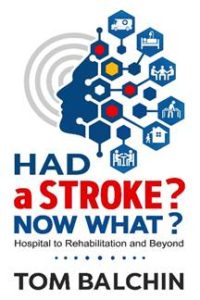 Whether you had your stroke a week or 20 years ago, this seriously practical book reveals everything you need to know about for real-life, evidence-based long-term recovery from limitations caused by stroke, that you can actually understand, use and apply successfully for yourself. With 244 pages of new information and material, it’s stacked with revelations for you based on the neuro-rehabilitation evidence-base.
The ARNI Blog

-
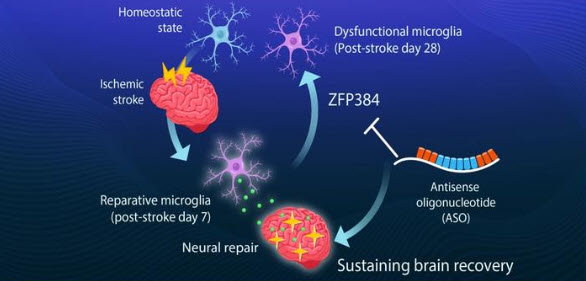
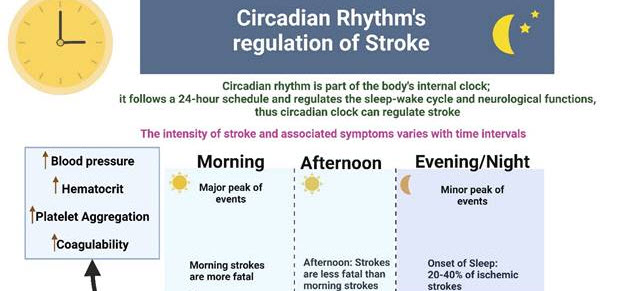
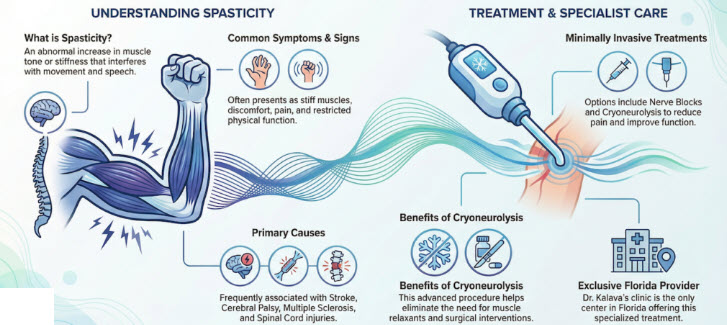
ZFP384 and the Brain’s Repair Window After Stroke
July 15, 2026
-
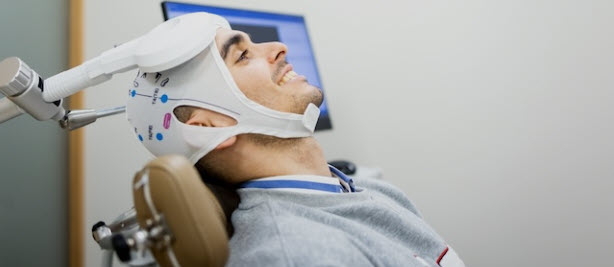
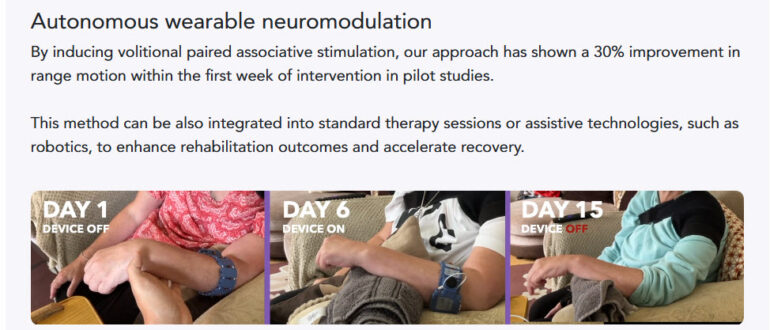
Pairing Spinal Cord Stimulation & High Dose Arm Rehab
July 15, 2026
-
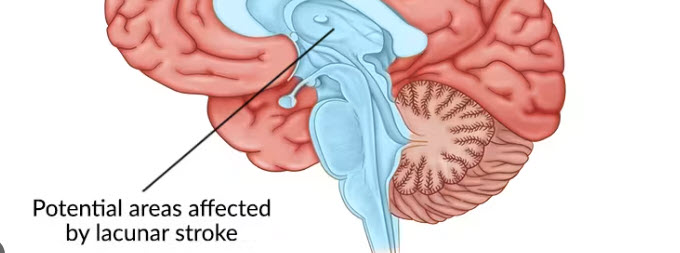
An ARNI Guide to the 10 Rarest Strokes
July 8, 2026
-
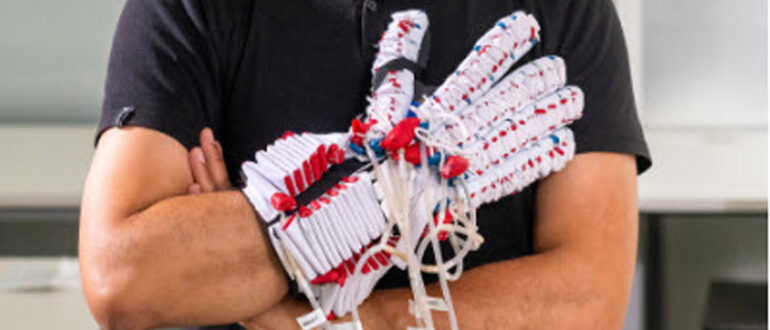
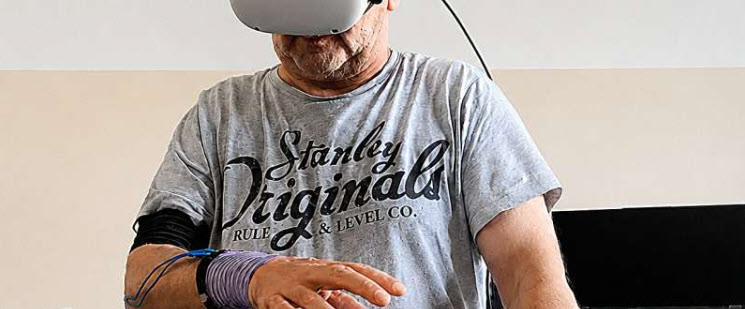
Soft Robotic Glove That Reads Grasp Intention
July 6, 2026
View Comments
Likes:
20
Shares:
3
Comments:
9